Integrating Movement and Dance into Your Daily Rituals
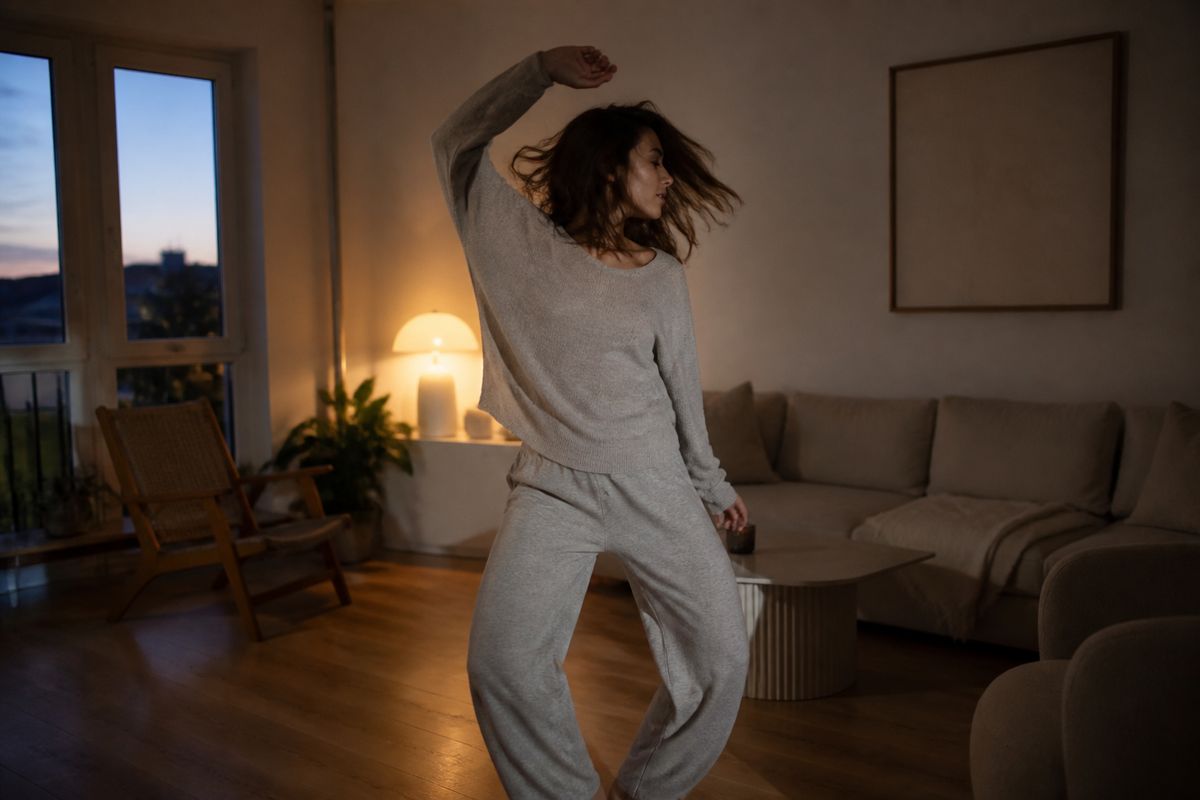
Integrating movement and dance into your daily rituals is less about adding a workout and more about breaking up the long stretches of sitting most days are made of. If you're at a desk or in a car for most of your waking hours, a few minutes of deliberate movement spread through the day does more for your mood and energy than one long session you dread and skip.
What Movement and Dance Actually Do
It helps to be specific about what's proven versus what's just a nice feeling. Here's the honest breakdown.
Physical Health
- Cardiovascular health: Dance and other moderate aerobic movement raise your heart rate in the way walking or cycling do, which supports heart health over time.
- Strength and balance: Repeated movement, especially anything with turns, lunges, or shifts in direction, builds functional strength and balance you don't get from sitting.
- Flexibility: Regular stretching and dance-based movement keeps joints and muscles more mobile, which matters more as you get older and spend more time sedentary.
Mental Well-Being
This is the part worth being careful about, because it's easy to overstate. The U.S. Centers for Disease Control and Prevention recommends adults get at least 150 minutes of moderate-intensity physical activity a week, and notes that physical activity supports both physical and mental health. Separately, research reviews on exercise and mood report reduced anxiety and depressive symptoms with regular aerobic activity, plausibly through a mix of physiological changes (like improved sleep and endorphin release) and simply having a structured, embodied break from rumination. Dance doesn't have special magic here beyond being aerobic movement you're more likely to actually enjoy and repeat, which matters because the exercise that helps is the exercise you keep doing.
Social Connection
Group dance classes or family dance sessions add a social layer that solo exercise doesn't. That matters less for your cardiovascular system and more for the mood lift of shared activity and the accountability of having somewhere to show up.
Building a Daily Routine Around Movement
You don't need a spare hour. Most of this works in five-to-ten-minute blocks attached to things you already do.
Morning
1. Two Minutes of Stretching
Before you check your phone, do a slow stretch sequence hitting shoulders, hips, and hamstrings. Two minutes is enough to notice a difference in how your body feels sitting down an hour later.
2. A Three-Song Dance Break
Pick three songs you actually like (roughly 10-12 minutes) and move however feels natural. The goal isn't choreography, it's raising your heart rate and starting the day with something that isn't a screen.
3. Paced Breathing
Four counts in through the nose, hold for four, six counts out. Do this for one minute while your coffee brews. It's a small thing, but pairing it with movement gives your nervous system two signals instead of one that the day is starting on your terms.
Work Breaks
1. A Movement Break Every Hour
Set a recurring timer. When it goes off, stand up and do one minute of body-weight squats, calf raises, or a quick stretch. The point of the timer is that you won't remember to do this on your own after two hours of focused work.
2. Walking Meetings
For calls that don't need a screen, walk while you talk. It's an easy way to bank 15-20 minutes of movement without carving out separate time for it.
3. Desk Stretches
Neck rolls, shoulder shrugs, wrist circles, and seated spinal twists take under two minutes and directly counter the specific tightness that comes from typing and sitting.
Evening
1. A Class or a Video, Not Just an Intention
"I'll dance more" rarely survives contact with a tired evening. A scheduled class, even a 20-minute video at a fixed time, works better because it's a commitment on your calendar rather than a vague plan.
2. Family Dance Time
Ten minutes of music and moving with whoever's home turns a low-effort evening into something that also counts as connection time, not just exercise.
3. Slow Movement Before Bed
Gentle stretching or slow swaying to quiet music for five to ten minutes before bed is a low-intensity way to transition out of the day. Skip anything vigorous here, since it can work against winding down.
Folding Movement Into Tasks You Already Do
Chores With Music On
Cleaning and cooking take the same amount of time whether or not you're moving to music while you do them. Putting a playlist on and letting yourself move a bit more than strictly necessary doesn't add time to your day, but it does add movement.
Active Commutes
Walking or biking part of a commute, even one leg of it, is one of the most reliable ways to hit a weekly activity target without treating it as a separate task on your to-do list.
Short Guided Sessions
Free or low-cost apps with 5-10 minute guided dance or movement sessions are useful specifically because they remove the planning step. You don't have to think about what to do, you just start.
What This Can and Can't Do
Movement and dance are genuinely useful tools for mood, energy, and physical health, and building them into small daily moments is more sustainable than relying on one big workout you have to talk yourself into. What they aren't is a cure for a real mental health condition, a replacement for medical advice, or a guarantee against poor health outcomes. If you're dealing with persistent low mood, anxiety, or a physical limitation, talk to a doctor before making dance or exercise your main strategy, and treat this routine as a support alongside that, not instead of it.
FAQ
How much movement actually counts as "enough"?
National guidelines point to about 150 minutes of moderate activity a week. Broken into daily five-to-fifteen-minute blocks like the ones above, that adds up faster than it sounds, and consistency across most days matters more than any single long session.
Do I need actual dance experience for this to work?
No. None of this requires choreography or skill. Moving to music you like for a few minutes gets the same basic benefit as a structured dance class for most people; the class adds structure and social contact, not a different physiological effect.
How long before this feels automatic instead of like a chore?
Research on habit formation out of University College London found new habits took 66 days on average to feel automatic, with a wide range (18 to 254 days) depending on the person and the behavior. Missing an occasional day didn't derail the process in that study, so the practical takeaway is to aim for consistency most days rather than a perfect streak.