
How to Teach Children the Value of Gratitude
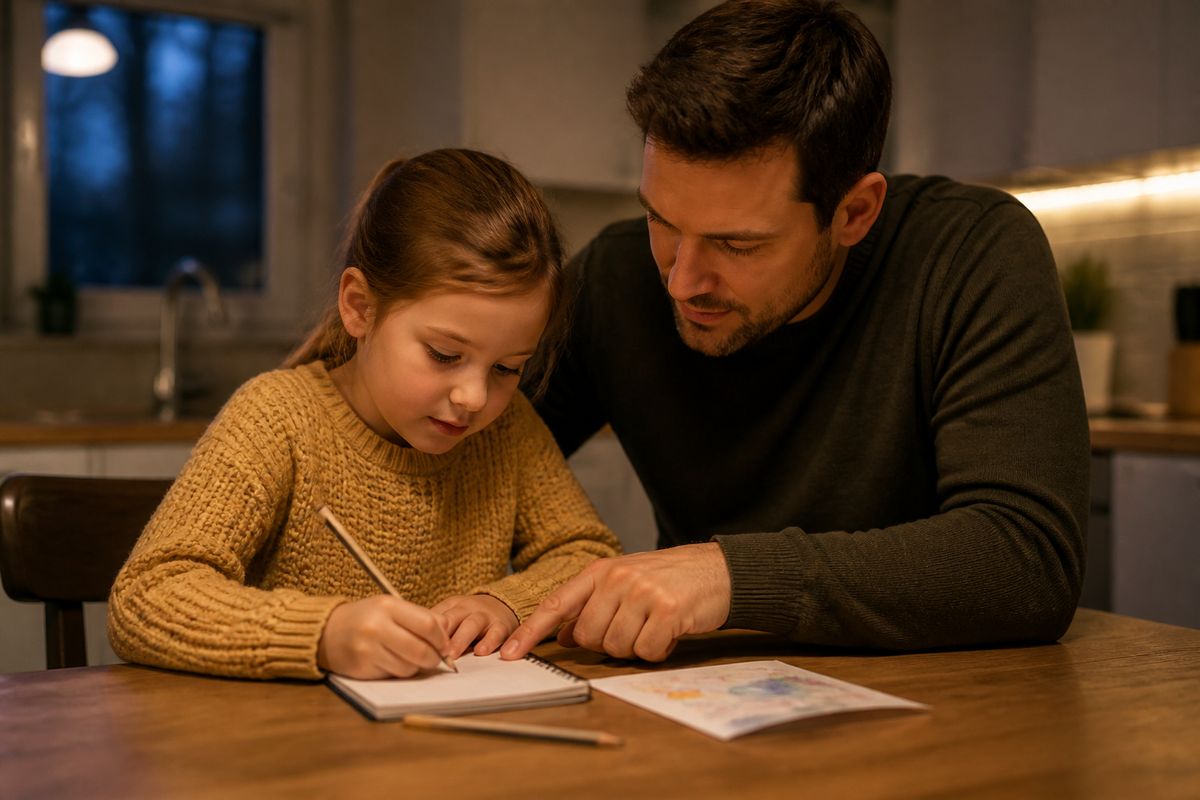
How to teach children the value of gratitude comes down to fewer big lectures and more small, repeated habits: modeling it yourself, giving them a simple daily prompt, and making thank-yous specific instead of automatic. Gratitude isn’t a mysterious personality trait some kids have and others don’t. It’s a skill that gets built through practice, the same way a habit of brushing teeth or reading before bed gets built: through repetition, not a single conversation.
What the research actually shows
Researchers Christopher Peterson and Nansook Park found that among more than twenty character strengths studied in children and adolescents, gratitude had the strongest relationship to life satisfaction. Later work summarized in the same review found grateful adolescents (ages 11-13) reported more optimism and stronger social support, and grateful teens (14-19) had higher grades and reported less envy, depression, and materialism than their less grateful peers.
None of this means gratitude “attracts” good outcomes or that a grateful kid is guaranteed a happy life. It means kids who regularly practice noticing and naming what’s good in their lives tend to report better mood and relationships than kids who don’t. It’s a mindset skill with a measurable payoff, not magic.
Start with modeling, not instruction
Kids copy what they see far more reliably than what they’re told. If gratitude only comes up as a rule (“say thank you”), it stays a manners habit. If they watch you name specific things you appreciate, out loud, on a normal Tuesday, it becomes a way of thinking.
1. Say thanks out loud, specifically
“Thanks for grabbing the mail” lands better as a teaching moment than a generic “thank you.” Naming exactly what someone did shows children gratitude is about noticing a specific action, not reciting a script.
2. Narrate your own gratitude in the moment
When something good happens, say it out loud: “I’m glad that meeting got moved, now I get to pick you up today.” Kids learn the internal habit of noticing good things by hearing you do it first.
3. Write thank-you notes yourself
Let your kids see you write one, or write one together after a gift or a favor. A Harvard Health review of a University of Texas study found that people who wrote thank-you notes consistently underestimated how good it would make the recipient feel, and the letter writers themselves reported feeling more positive afterward. The awkwardness kids (and adults) anticipate before writing one is almost always bigger than the actual result.
Give gratitude a specific, repeatable prompt
Vague encouragement (“be more grateful”) doesn’t give a child anything to act on. A concrete, repeated prompt does.
1. Swap the dinner-table question
Instead of “how was school,” ask “what’s one good thing that happened today?” It takes the same 10 seconds but trains a different mental habit: scanning the day for something positive instead of defaulting to “fine” or a complaint.
2. Keep a gratitude journal, but keep it short
For kids who can write or draw, a simple nightly or twice-weekly habit works better than an ambitious daily one that gets abandoned after a week. Have them note one to three specific things: a person, a moment, a small win, not a vague category like “my family.” For pre-readers, this can be a quick verbal version at bedtime instead of writing.
3. Use a visual tracker for younger kids
A jar where they drop in a slip of paper each time something good happens, or a paper “gratitude tree” where leaves get added over a season, gives younger children something tactile to do instead of asking them to articulate abstract feelings on demand.
Connect gratitude to action, not just words
Teaching kids that gratitude often shows up as a follow-through action, not just a feeling, helps it stick.
1. Write real thank-you notes for real gifts
After a birthday or holiday, have your child write (or dictate, for younger kids) a short note naming the specific gift and why they liked it. This is a small habit with an outsized effect: it forces specificity, which is the part that actually builds the noticing skill.
2. Volunteer together on a regular schedule
A single volunteer day is a nice memory. A recurring one, once a month at a food bank or shelter, does more to connect gratitude with contribution, because kids see the same need come back and understand that helping isn’t a one-off event.
3. Let them notice effort, not just outcomes
When a sibling helps with homework or a friend shares a snack, ask your child what that person had to give up or do to help. This shifts gratitude from “I got something” to “someone made an effort for me,” which is a more durable form of appreciation.
What gratitude practice does not do
Be honest with yourself about the limits here. A gratitude journal will not fix a child who is being bullied, struggling academically, or dealing with a real loss, and it isn’t a substitute for addressing those problems directly. It also won’t instantly turn a strong-willed 6-year-old into a consistently thankful one. What it does is build a repeatable mental habit that, practiced over weeks and months, is associated with better mood, stronger relationships, and (per the research above) higher life satisfaction. Treat it as a long-term skill you’re building, not a switch you flip in one conversation.
A simple starting routine
Pick one modeling habit (thank-you notes or narrating gratitude out loud) and one prompt habit (the dinner-table question or a short journal). Run both for a month before adding anything else. Consistency across a few weeks matters more than the specific format you choose.
FAQ
What age should I start teaching gratitude?
You can start the dinner-table question or a verbal bedtime version as soon as a child can talk in short sentences, typically around age 3-4. Writing or drawing gratitude journals usually work better once a child can write independently, around ages 6-7.
How often should we practice gratitude activities?
A short, consistent habit (a few times a week) tends to outlast an ambitious daily one. If a nightly journal starts feeling like a chore, switch to twice a week rather than dropping it entirely.
Does forcing a child to say thank you actually teach gratitude?
A forced “thank you” teaches politeness, which is a reasonable social skill on its own, but it isn’t the same as the internal habit of noticing good things. Pair the manners rule with modeling and a reflection habit so the feeling has a chance to catch up with the words.