How to Celebrate Milestones Together as a Family
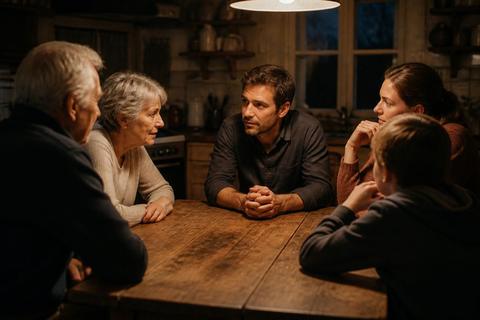
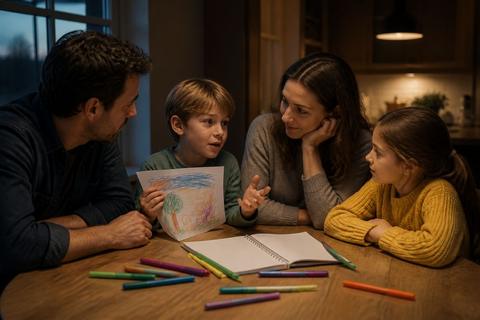
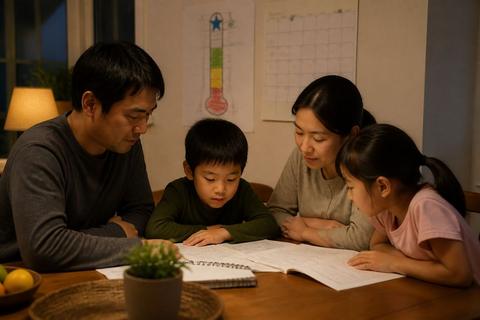
Learning how to celebrate milestones together as a family is less about throwing a bigger party and more about building a habit: noticing the moment, naming why it matters, and marking it in a way everyone actually enjoys. Birthdays, graduations, new jobs, a kid's first solo bike ride, these all pass quickly if nobody stops to acknowledge them. A short, repeatable way of marking them does more for a family than an expensive one-off event.
Why marking milestones actually matters
This isn't just tradition for its own sake. A review of five decades of research on family routines and rituals, led by psychologist Barbara Fiese at Syracuse University, found that family rituals are associated with stronger marital satisfaction, a clearer sense of identity in adolescents, better child health, and more stable family relationships. Fiese draws a useful distinction: a routine is the logistics (who picks up the cake), while a ritual is the part that carries meaning across time (the same song every birthday, the same seat at the table for the person being celebrated). The meaning is what a family remembers, not the logistics.
There's also a second, separate effect at work when you celebrate together instead of alone. Research on "capitalization", sharing good news with people who respond with genuine interest, found that couples and friends who responded to each other's good news with enthusiasm and follow-up questions reported measurably closer relationships, an effect distinct from the good news itself. Psychologist Shelly Gable's research, summarized by UC Berkeley's Greater Good Science Center, found that partners who responded to good news actively and enthusiastically had greater relationship well-being and were less likely to break up over the following two months. The takeaway for a family: how you react when someone announces a win matters as much as whether you celebrate it at all. A distracted "that's nice" from across the room does not produce the same effect as stopping, making eye contact, and asking a follow-up question.
None of this means celebrating milestones will manifest more success into your life or guarantee future achievements. What the research supports is narrower and still useful: marking a milestone well improves mood, strengthens the relationship between the people involved, and makes the memory more likely to stick.
What actually counts as a milestone
Keep the list wider than "big events," or celebrations will only happen a few times a year and start to feel like obligations instead of habits.
Personal milestones
Birthdays, graduations, a driver's license, a first paycheck, finishing a course, a health goal reached.
Relationship milestones
Wedding anniversaries, the anniversary of moving in together, adoption days, the day a family took in a pet.
Effort milestones (not just outcomes)
A kid who studied hard for a test they didn't ace, someone who stuck with therapy for six months, a parent who finished a hard work project. Effort-based milestones are worth marking specifically because they reinforce persistence rather than only rewarding the win.
Transitions
Moving to a new city, starting a new school, a new job, retirement, becoming a sibling.
How to actually celebrate together, step by step
1. Say it out loud within 24 hours
Momentum matters. If a milestone happens and nobody mentions it for a week, it quietly stops feeling like news. A one-line family text or a comment at dinner the same day ("hey, tell everyone about your test today") costs nothing and starts the capitalization effect described above.
2. Respond actively, not politely
When someone shares their milestone, put the phone down, make eye contact, and ask at least one follow-up question ("how did you figure out the hardest part?"). This is the specific ingredient the Gable research ties to relationship benefits, a distracted nod does not carry the same effect.
3. Pick a format that fits the milestone's size
- Small win (finished a hard week, aced a quiz): a favorite meal at home, a five-minute toast at dinner, or letting the person pick the movie.
- Medium milestone (birthday, work anniversary): a planned gathering with 3-10 people, a themed dinner, or a half-day outing.
- Major milestone (graduation, new home, retirement): a larger gathering, a keepsake gift, or a trip planned around the event.
Matching the format to the size keeps celebrations sustainable. Treating every small win like a major event causes celebration fatigue; treating every major milestone like a footnote wastes the moment.
4. Build one repeatable element into it
Pick a small, specific ritual and repeat it every time: the same toast phrase, lighting a candle, writing one line in a shared notebook, or taking a photo in the same spot each year. The repetition is what turns an event into a ritual the family recognizes, per Fiese's distinction above, and it's also what makes the memory easy to recall years later.
5. Document it in under five minutes
- One-line journal: keep a shared notebook or note on a phone and write one sentence per milestone, date, what happened, one quote from someone.
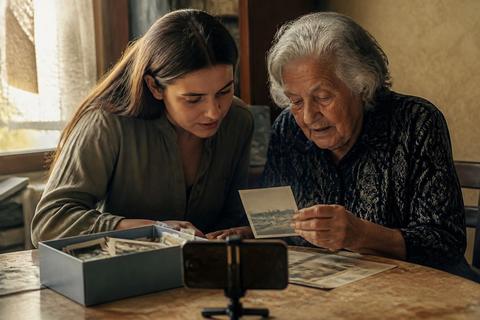
- Photo with context: take one photo and caption it with what the milestone was and why it mattered, not just the event name.
Skip the elaborate scrapbook unless someone in the family genuinely enjoys making one. A one-line log kept consistently beats an ambitious project that gets abandoned after two entries.
6. Let the person being celebrated choose one thing
Ask what they actually want: the restaurant, the activity, or whether they'd rather skip a party and do something quiet. Milestones celebrated in a way the person doesn't enjoy (a surprise party for someone who hates surprises) undercut the benefit.
What doesn't need to happen
- You don't need a big budget. The Fiese review's benefits come from consistency and meaning, not expense, a $15 dinner marked the same way every year does more than a single lavish party that never repeats.
- You don't need to celebrate every milestone the same way. Matching format to size (above) matters more than uniformity.
- You don't need everyone present every time. A phone call from a family member who can't be there still counts as active, engaged acknowledgment if they ask questions and listen.
Common mistakes that quietly undercut the celebration
- Multitasking through it. Congratulating someone while scrolling a phone or half-watching TV removes the "active" part of active-constructive responding.
- Only celebrating outcomes, never effort. A family that only marks wins teaches that trying doesn't count unless you succeed.
- Letting logistics eat the meaning. If planning becomes stressful enough that the celebration itself feels like a chore, scale it down. A simple, repeated ritual beats an elaborate one that causes dread.
- Waiting for a "big enough" milestone. Small, frequent acknowledgment builds the habit; saving celebration only for major events means it happens rarely enough to feel effortful each time.
FAQ
How often should a family celebrate milestones?
As often as they happen, scaled to size. Small wins can be marked in minutes at dinner; save planned gatherings for milestones that come a few times a year.
What if family members live far apart?
A video call where people actively listen and ask questions carries most of the same relationship benefit as being in the same room, presence matters less than genuine, engaged attention.
Does celebrating milestones actually make good things more likely to happen?
No. There's no evidence that celebrating attracts future success. What's well-supported is narrower: it improves mood, strengthens relationships between the people celebrating together, and makes the memory of the milestone more durable.
What if a milestone is bittersweet, like a retirement or a move?
Mark it anyway, but let the tone match the moment, a quieter dinner and a chance to talk about what's ending, not forced enthusiasm. Transitions still qualify as milestones worth acknowledging even when the feelings are mixed.